
The Role of Emotion in Gambling Decisions
Emotions play a pivotal role in the choices gamblers make when selecting casino games. The thrill of winning can create a rush of excitement, leading players to choose games that offer the highest potential for jackpot payouts, such as slot machines. Conversely, feelings of frustration or anxiety can prompt individuals to gravitate towards games that are perceived as more forgiving or skill-based, like poker, where the outcome is influenced by player decisions. Recently, players have also shown interest in new crypto casinos 2025, which blend technology with traditional game strategies.
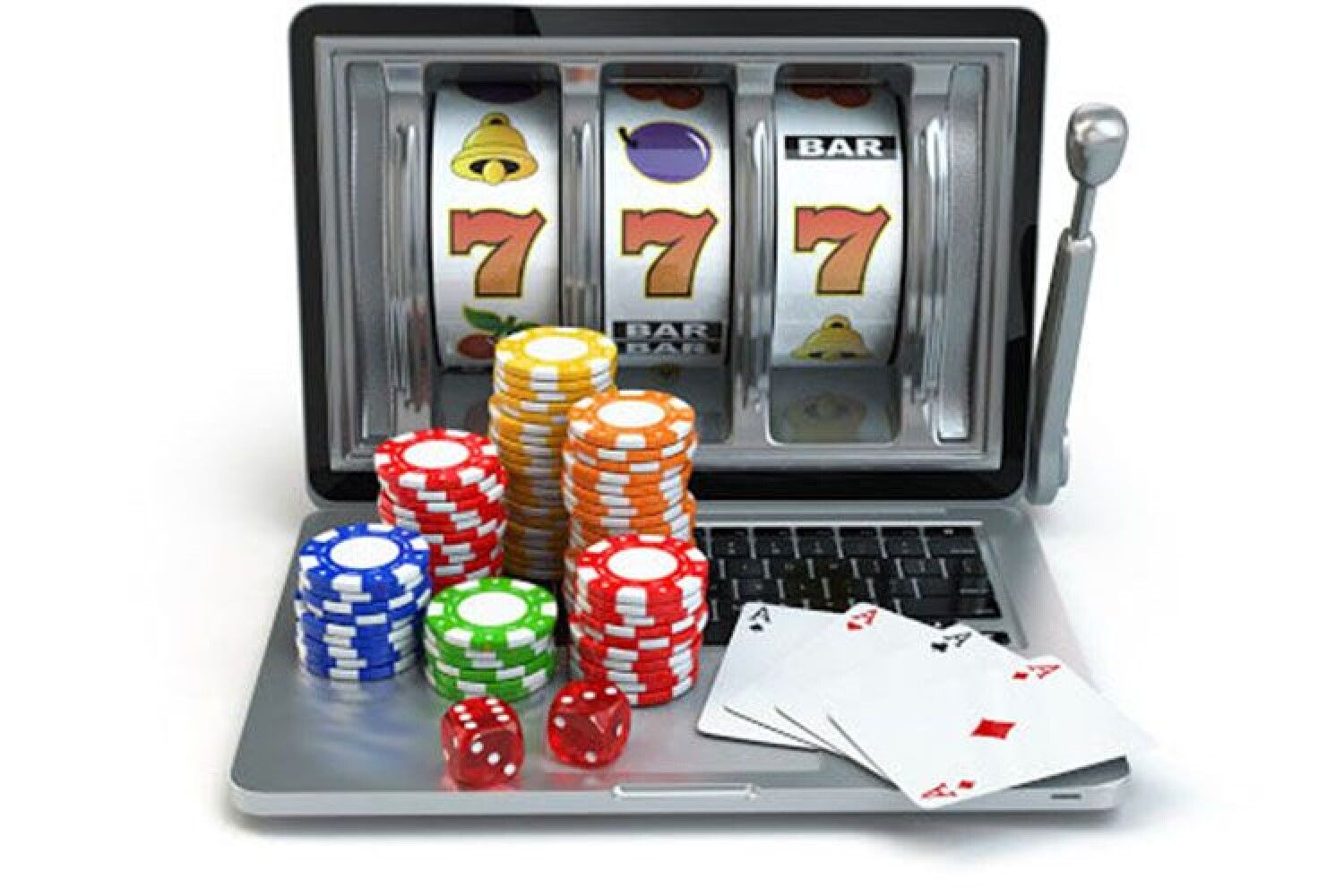
This emotional engagement can also lead to impulsive bets, where players might overlook rational decision-making in favor of chasing losses or experiencing the allure of a big win. Understanding this emotional connection can help casinos tailor their environments and game offerings to appeal more effectively to their audience.
The Influence of Cognitive Biases
Cognitive biases are mental shortcuts that can affect decision-making in gambling. One prominent example is the illusion of control, where players believe they can influence the outcome of games that are purely based on chance. This bias often leads individuals to favor games like blackjack or roulette, where strategic decisions are made, even though the odds are still heavily stacked against them.
Additionally, overconfidence can drive players to make bigger bets than they might otherwise consider. This combination of cognitive biases often results in players being drawn to games that provide an inflated sense of skill and control, potentially leading to higher losses over time.
The Impact of Social Factors on Game Selection
Social interactions can heavily influence the types of casino games individuals choose to engage with. For many, gambling is not merely about winning money but also about socializing and building relationships. Games like poker, which require player interaction, create an environment where camaraderie and competition coexist, making them particularly appealing to group players.
Furthermore, the rise of online casinos has transformed social dynamics, allowing players to connect with others across the globe. This has led to a broader acceptance of various gaming styles and preferences, as individuals share experiences and strategies within their social circles, thus shaping their choices in the casino landscape.
The Effect of Marketing and Game Design
Casino marketing strategies and game designs are intricately crafted to influence player behavior. The use of visually stimulating graphics, engaging sound effects, and enticing rewards are specifically designed to attract and retain players. This careful attention to aesthetics and user experience can sway gamblers towards certain games, even if those games do not offer the best odds.
Moreover, promotional tactics such as bonuses and loyalty programs further manipulate decision-making processes. Players may find themselves drawn to games that provide extra incentives, often overlooking the inherent risks associated with increased betting. Understanding these marketing strategies can shed light on why particular games gain traction among different demographic groups.

Conclusion: The Complex Web of Gambling Choices
The interplay of emotional, cognitive, and social factors creates a complex web influencing casino game choices. Gamblers are not just making random selections but are subconsciously guided by a variety of internal and external cues that affect their strategies. By exploring the psychology behind these choices, we can better understand the gambling experience as a whole.
As a resource for those looking to enhance their understanding of gambling behavior and decision-making, the website offers valuable insights and support for players seeking to navigate their gaming choices wisely. Whether it’s through gaining knowledge about game mechanics or understanding emotional triggers, players are encouraged to reflect on their betting habits to foster a more mindful approach to gambling.